Neuroscientists have identified a population of neurons in the human brain that respond to singing but not other types of music.

In a new, rare study of direct brain recordings in children and adolescents, scientists have discovered as brains mature, the precise ways by which two key memory regions in the brain communicate make us better at forming lasting memories. The findings also suggest how brains learn to multitask with age.
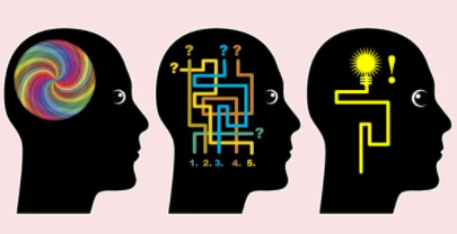
A new study of brain activity patterns in people doing a memory task finds that the way we make inferences -- finding hidden connections between different experiences -- changes dramatically as we age. The study's findings might one day lead to personalized learning strategies based on a person's cognitive and brain development.

A sustained focus on spatial reasoning training could help children learn science, technology, engineering and mathematics.

Trust comes when you admit what you don’t know – lessons from child development research.

Children who often are nutrient deficient from poor diet have a greater risk of developing impulse control problems and engaging in violence, according to new research. "We can blame violence on the media and on the breakdown of the home," says Onusic, "but the fact is that a large number of Americans, living mostly on devitalized processed food, are suffering from malnutrition.